
YAWE Navigates USG Requirements for Its Governance & Grants Management Systems through USAID-Data Drive Advocacy by Pact Tanzania.
DDA is a USAID six-year program (2017-2023) with Freedom House and Pact Tanzania as main implementers. The project sought to improve and sustain Tanzanian rights-focused civil society’s ability to advocate for and influence policy on, key national-level rights issues using better data and information to drive results.
YAWE as one of the youth-led organizations that participated in the DDA project, benefited directly by receiving capacity development in different areas; Leadership, monitoring and evaluation, grant management, adaptive management, ethical standards, sub-award management, business development, human resources, travel and other technical areas. With readiness to embrace the new system changes, YAWE has improved its governance and operational systems resulting to expansion of its funding base, networks and areas of operation reaching a substantial number of beneficiaries with quality service delivery.
Further, YAWE as a member of the DDA working group participated in advocacy work with other youth-led organizations engaging with the government through relevant Ministries to navigate the youth priorities on leadership, economic opportunities and participation in policy planning and reforms for long-term improvement of youth living standards.
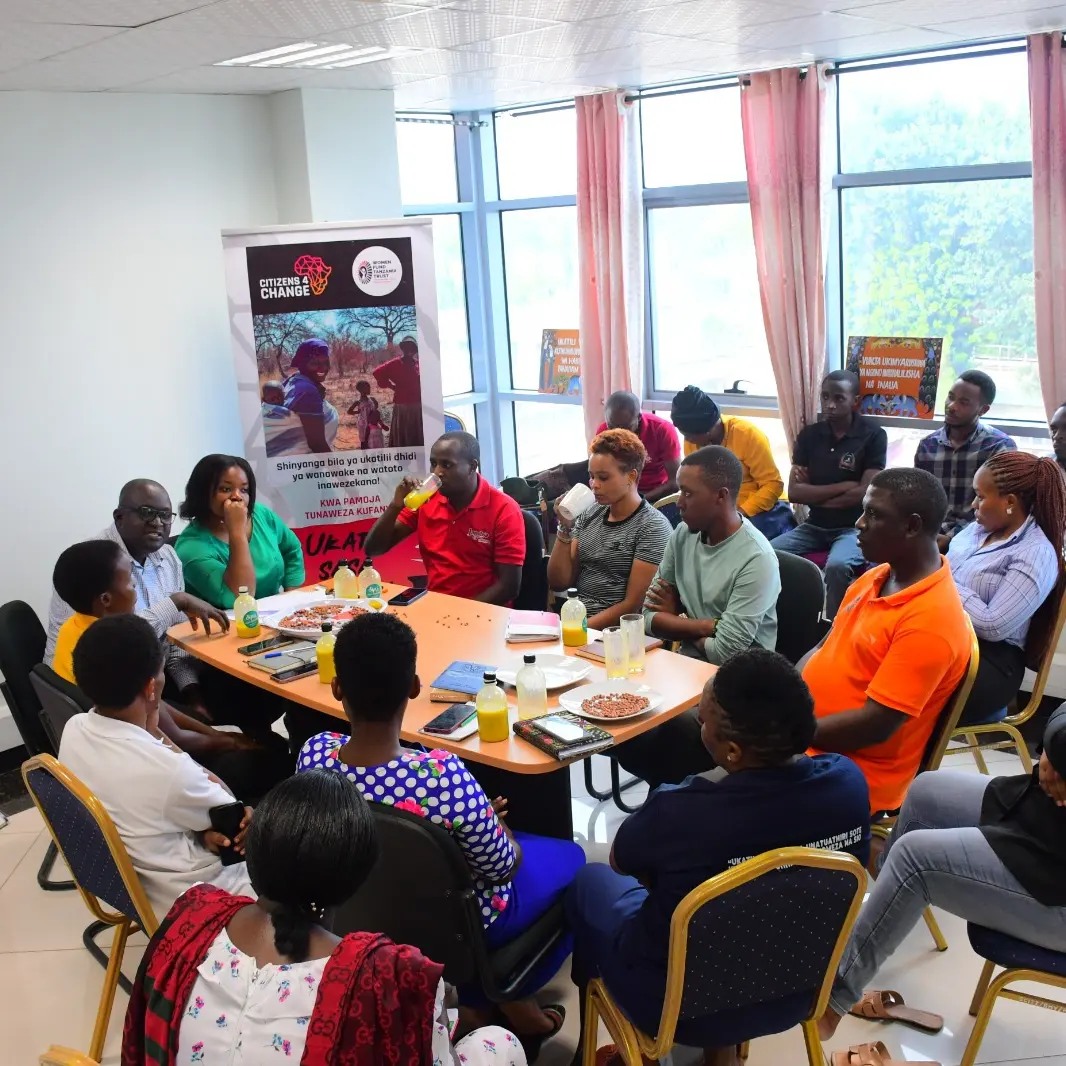
From Gender-Transformative to Gender-Synchronized Programs
Gender-transformative approaches actively strive to examine, question and change rigid gender norms and imbalance of power as a means of reaching health as well as gender equity objectives. Gender-transformative approaches encourage critical awareness among men and women of gender roles and norms; promote the position of women; challenge the distribution of resources and allocation of duties between men and women; and/or address the power relationships between women and others in the community, such as service providers or traditional leaders.
Gender-Transformative Programs with Men
Gender-transformative programs have often focused on one sex or another. Gender-transformative programs with men are often designed to enable men to explore rigid societal messages about manhood and examine the costs that these norms have on men, women, and communities. These efforts often engage men in social action to challenge the existing gender norms that perpetuate violence and poor health in the communities in which they live. In many cases, men’s social action goals focus on building an alliance with women to promote gender justice and equality.
Transformative Programs with Women
Gender-transformative programs with women are often designed to examine and challenge patriarchy. However, gender-transformative work with women may look quite different from work with men. While such programs for men focus primarily on changing social norms about gender roles and expectations, work with women often focuses more prominently on deconstructing the sources of power that perpetuate the oppression of women. This power exists within various levels of society, and includes: 1) individual access to information, education, and skills; 2) access to economic resources and assets; 3) social capital and support; 4) political agency; and 5) empowering policies. By addressing these power dynamics, women are more able to ensure their health and well-being. Such approaches can be more “empowering” than “transformative.” This is because while they increase women’s ability to achieve specific changes in their behaviour or access, they do.