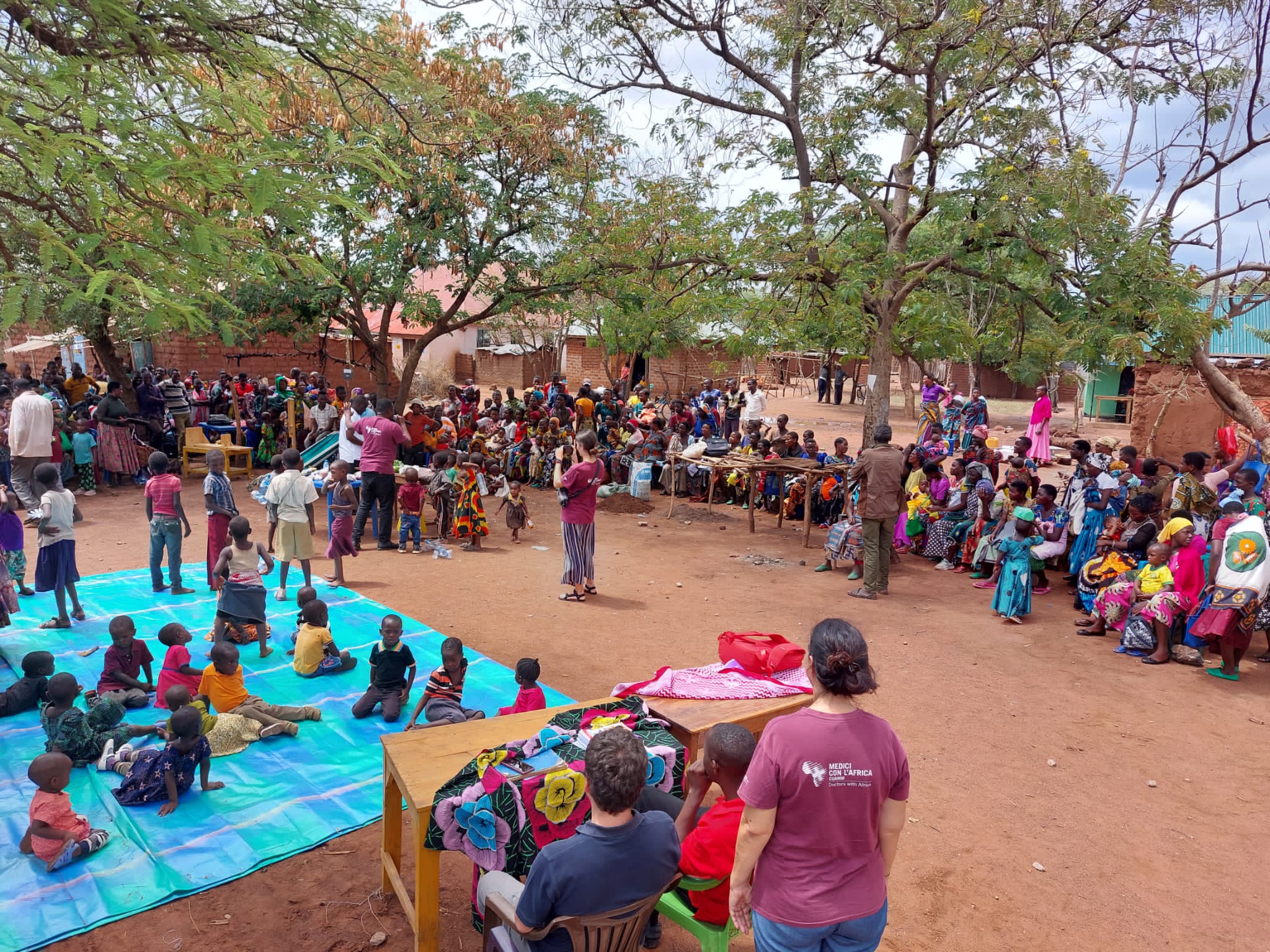
Children, adolescents, and women bear the triple burden of malnutrition: undernutrition, micronutrient deficiencies, and overweight and obesity. Tanzania is making progress in reducing the prevalence of stunting among children under five and reducing the rate of anaemia in women of reproductive age; however, more action is needed to accelerate progress to reach the SDGs targets. Nearly one-third of children under 5 are stunted, and micronutrient deficiencies remain a public health concern. Overweight and obesity are an emerging problem, especially among adolescent girls and women. The children and adolescents of today will soon become adults in large numbers. Healthy, well-nourished children and adolescents—able to learn, grow, and reach their potential—will enable Tanzania to turn its rapid population growth into a demographic dividend as they engage in the economy of the future and participate meaningfully in society.
We address undernutrition by fostering positive nutrition behaviours and practices. These include infant and young child feeding, reducing micronutrient deficiencies through food-based approaches and micronutrient supplementation, and enhancing early identification, treatment and monitoring of stunted, wasted and low birth weight children.
We focus on reducing the likelihood of intergenerational transmission of undernutrition. We improve pre-conceptual health and the nutritional status of adolescent girls, strengthen the health system to better integrate nutrition into ante-natal and postnatal care, and ensure the care and treatment of small and sick babies.
We reduce the burden of overweight and obesity by improving access to and use of a diverse array of nutritious foods, encouraging a healthy lifestyle and fostering positive nutrition behaviours and practices. YAWE is committed to addressing the triple burden of malnutrition by strengthening health, education, food, and social protection systems at all levels, with the goal of improving behaviours, increasing access to quality services and promote optimal nutrition, growth, and development practices. YAWE reinforces a multisectoral approach, empowers communities and women, and promotes male involvement. YAWE focuses on maternal and child feeding practices, water, sanitation, early childhood development, and healthcare-seeking behaviours.
Nutrition and Gender
Inequities in access to and control of assets have severe consequences for women’s ability to provide food, care, and health and sanitation services to themselves, their husbands, and their children, especially their female children. Women with less influence or power within the household and community will be unable to guarantee fair food distribution within the household. These women will also have less ability to visit health clinics when their infants and children are sick and to spend time interacting with their infants and other children. Any reduction in gender asymmetries benefits the entire family.
Substantial evidence demonstrates that more equal access to and control over assets raises agricultural output, increases investment in child education, improves visits to health facilities for infants, raises household food security, and accelerates child growth and development. It also offers important economic payoffs for the entire society. Women’s contribution to food production, food preparation, and child care are critical underpinnings for the social and economic development of communities, yet efforts in this direction are hampered by malnutrition. Furthermore, malnutrition in women contributes significantly to growing rates of maternal deaths and is directly related to faltering nutritional status and growth retardation in children.
Maternal malnutrition has been linked to low birth weight, which in turn results in high infant morbidity and mortality rates, adding to healthcare costs and undermining the human resource potential for an economy. It is also now clear that fetal malnutrition harms health status in later life, and predisposes one to increased incidence of non-communicable diseases. In addition, malnutrition in mothers jeopardizes the quality of caregiving they can offer their children by reducing the meaningful mother-child interaction that is necessary for proper growth.
Limiting access to nutritious foods and nutrition education among other issues have debilitating impacts on women and girls’ nutritional status and contribute to poorer health. This threatens women, girls and people of diverse gender identities’ overall well-being and opportunities across their lifetimes, and for the generations that follow.
To date, some efforts have been made to “integrate” or “mainstream” gender into nutrition programs, but wide gender disparities persist because these efforts have not addressed the root causes of the problem. It is insufficient, and many times harmful, to seek to improve individual women and girls’ situations without addressing the discriminatory gender norms and unequal power imbalances between women and men that contribute to gender inequality and malnutrition.
An effective response requires that gender equality and the empowerment of women and girls become the central foundation upon which multi-sectoral responses to nutrition are built. Traditional power holders and influencers must be engaged in this process. They are important gender champions. Mobilized as agents of change, working together with women and girls and people of diverse gender identities, they can use their positions of power to shape systems to create a more equitable world for all.
Localized, transformational change that is profound and resilient is vital to deep and lasting impact. This demands radical breakthroughs in paradigms, beliefs and behaviour at various levels. We need to think differently so that we can do it differently.
GENDER-TRANSFORMATIVE FRAMEWORK FOR NUTRITION
At YAWE, we mainstream gender aspects into our nutrition program adopting a gender-transformative framework for nutrition (GTFN) which is an evidence-based conceptual model that expands the potential of nutrition programs to tackle gender inequalities. The Framework leverages existing literature and theoretical frameworks by applying systems thinking to critically examine the multi-sectoral drivers of malnutrition while placing empowerment and gender equality at its centre.
This re-framing helps us understand how gender norms, institutions, and power relations are disempowering women and girls and causing unequal access to food, health and nutrition services, education, agricultural resources, markets, and technologies. In doing so, the Framework uncovers entry points and facilitates solutions that can address the full social complexity of malnutrition. The approaches that flow from this starting point can synchronously build resilience to unanticipated shocks that undermine pathways to improved nutrition and gender equality.
Improving Female Status by Improving Nutrition
YAWE has learned a great deal about what works in an operational sense to improve the nutrition status of newborns, infants, and children. Until recently, less attention has been devoted to finding operationally effective interventions to improve the nutrition status of adolescent girls and pregnant women. Improving the nutritional status of girls and women hinges on applying the success stories seen so far and improving existing programs to strengthen their potential for success.
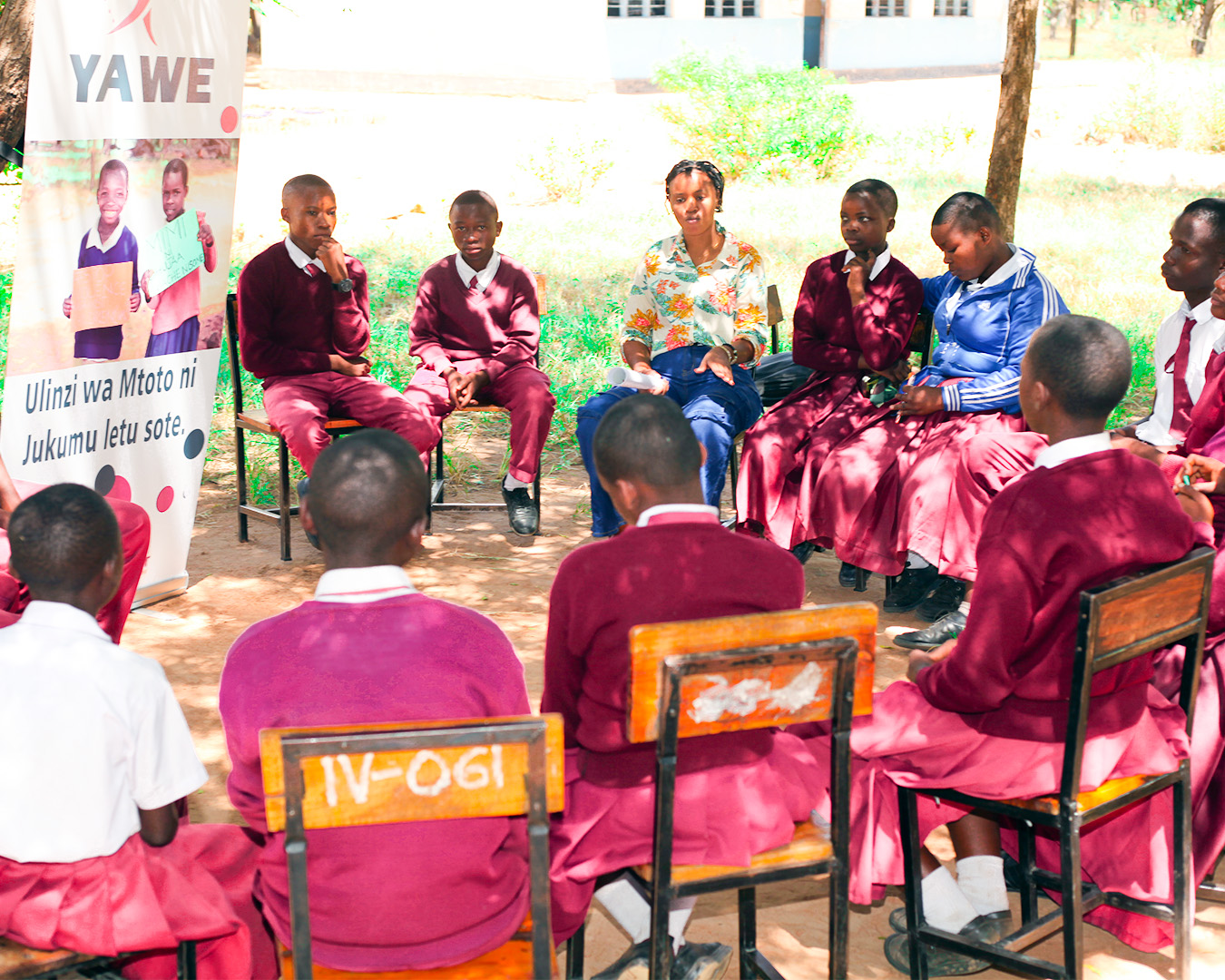
Micronutrient deficiencies afflicting girls and women can be addressed through balanced and long-term supplementation to build up stores for meeting acute deficiency needs. Gender-sensitive nutrition education is also needed to sustain good dietary practices. It is within the mandate of YAWE to develop a better nutrition intervention toolkit to address the special needs of girls, adolescent females, and pregnant women. These programs need not be expensive; iron supplementation programs for expectant mothers and iodine fortification of salt have worked well in many situations. Iron supplementation could also be used for girls and women of reproductive age as a preventative approach before pregnancy. To accelerate this development, the community needs to build on the experiences of the network of experts and practitioners who work with adolescents in all dimensions of welfare—not necessarily in nutrition—to develop not only effective nutrition interventions, but also feasible delivery mechanisms.
Our Interventions to Improve the Nutrition Status of Females
Improvements in the nutrition status of girls, adolescent females, and women make it more likely that the cultural constraints facing women will be relaxed as the advantages of investing in their human capital become apparent. Better-nourished girls are more likely to stay in school and to learn more.
They will miss fewer days due to illness and be more attentive when in class. They will grow up to become more productive economically and more aware of the various livelihood options. They will become more empowered to make decisions in all spheres of activity, including parenting. They will have greater control over their sexuality-related choices— crucial for controlling family size and preventing HIV/AIDS. In addition, future generations—male and female—will benefit from such a human capital investment via improvements in nutrition status transmitted throughout the life cycle.
Good nutrition in infancy is a necessary condition for the development of human capital. The possession of human capital facilitates access to other types of capital—physical (such as farm equipment), natural (such as land and water rights), financial (such as microfinance services), and social (such as access to community associations). The possession of human capital is crucial for economic development and sustained human development. Incorporating nutrition components into policies and programs to improve women’s status will increase the likelihood that such efforts will reap benefits not only in the medium term but also for the next generation. Increasing the gender-sensitive nutrition content of public policy that seeks to improve the status of women will make such improvements more sustainable.

.jpg)
.jpg)
.JPG)