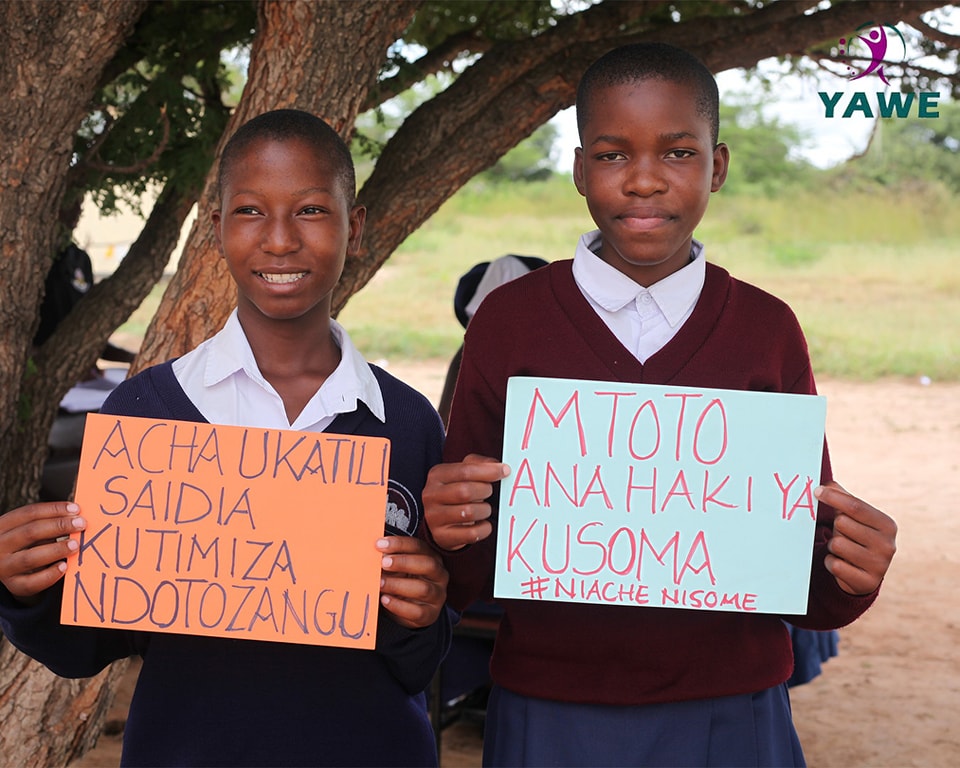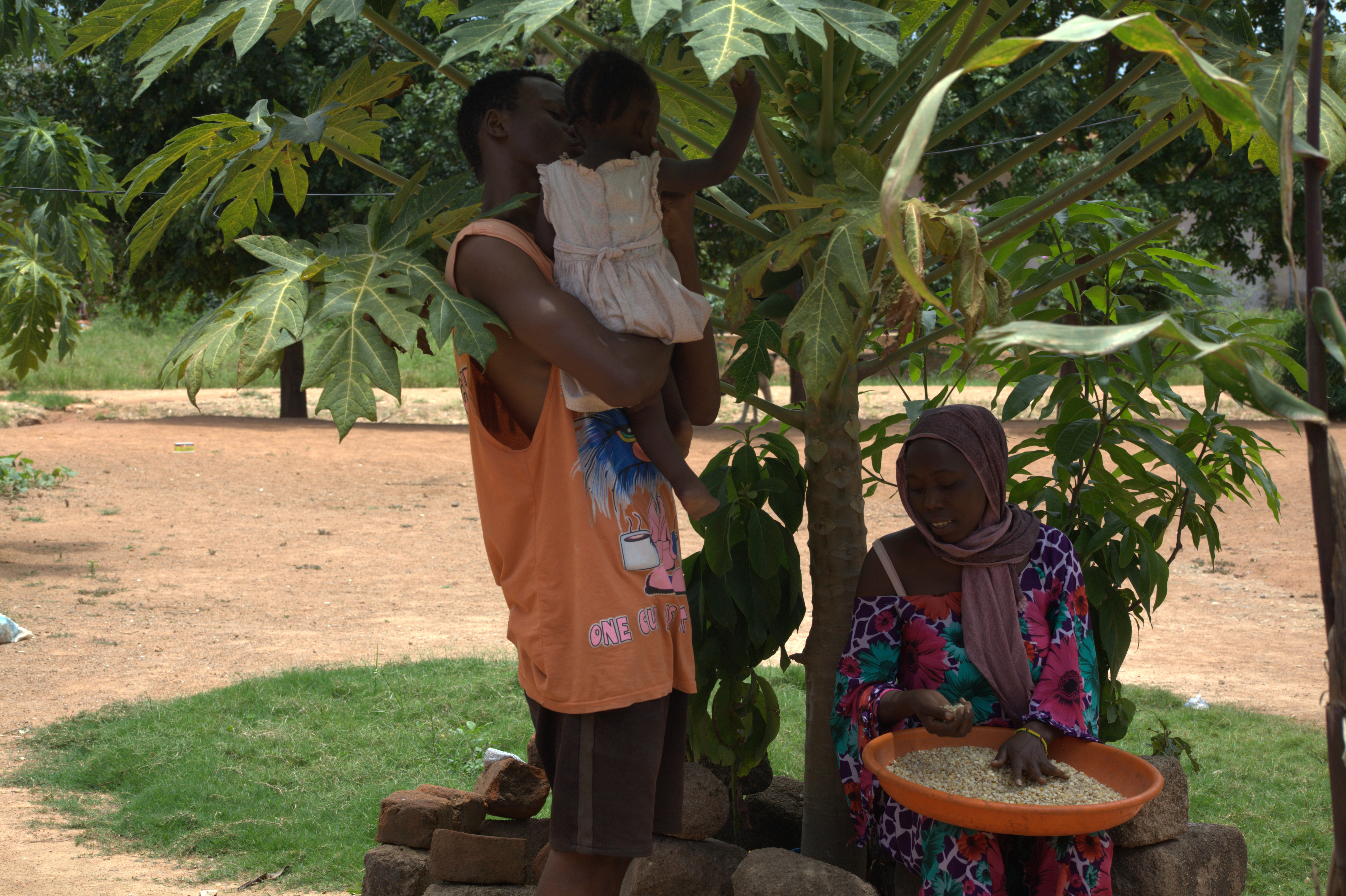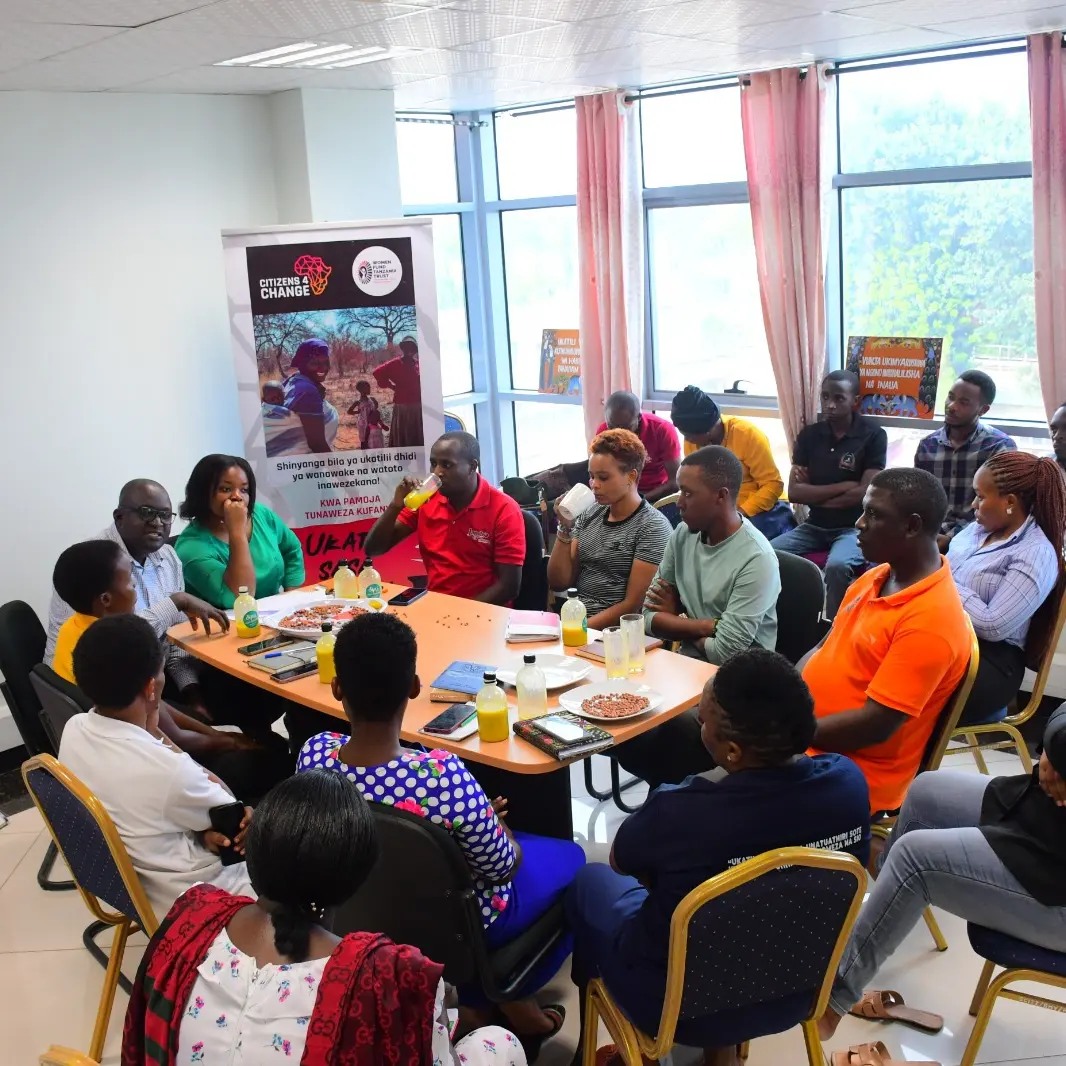
All women and children have the right to be protected from all forms of violence. Yet, millions of women and children in Tanzania have either experienced or witnessed physical, sexual or emotional violence. Sadly, violence often occurs in what are meant to be safe places – homes, schools, workplaces, communities and increasingly now in online spaces.
The impact of violence against women and children can be profound. Violence is associated with many adverse health outcomes in women and children and those negative effects can last a lifetime. In addition to the impact on individuals and their families, violence against women and children can put a strain on social services, including health care, law enforcement, and the judiciary, as they respond to incidents and support victims and their families. The immediate and long-term economic impact of violence against women and children can therefore be costly, hindering the country’s development efforts.
YAWE works to improve the economic security and stability of families; address norms and values that encourage violence and discrimination; create safe environments where women and children gather and spend time; support parents and families to promote women and children’s wellbeing; implement and enforce laws and policies to protect women and children; increase access to quality services for those exposed to violence; and ensure that learning environments are safe and enabling.
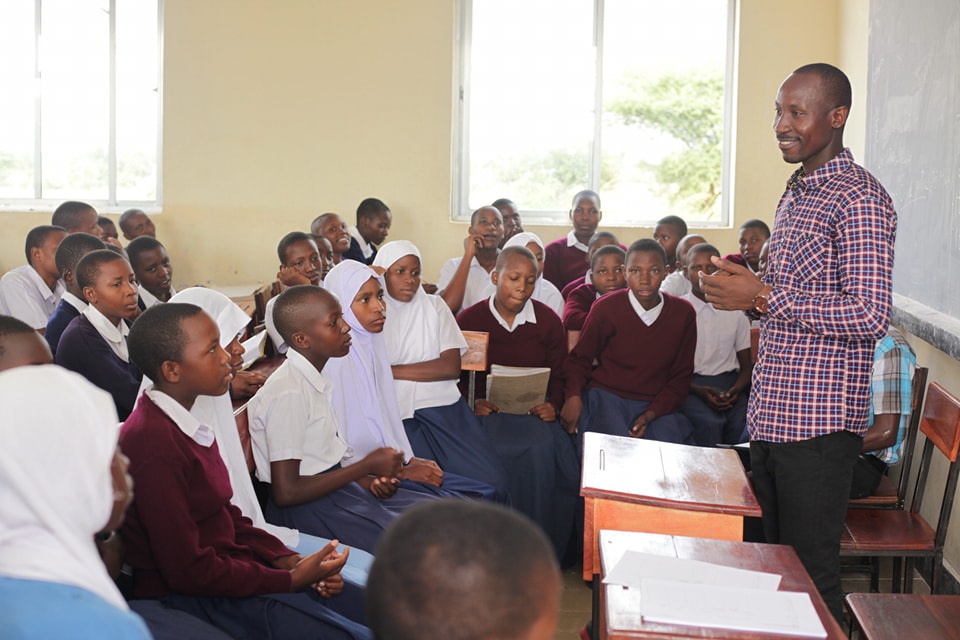
From Gender-Transformative to Gender-Synchronized Programs
Gender-transformative approaches actively strive to examine, question and change rigid gender norms and imbalance of power as a means of reaching health as well as gender equity objectives. Gender-transformative approaches encourage critical awareness among men and women of gender roles and norms; promote the position of women; challenge the distribution of resources and allocation of duties between men and women; and/or address the power relationships between women and others in the community, such as service providers or traditional leaders.
Gender-Transformative Programs with Men
Gender-transformative programs have often focused on one sex or another. Gender-transformative programs with men are often designed to enable men to explore rigid societal messages about manhood and examine the costs that these norms have on men, women, and communities. These efforts often engage men in social action to challenge the existing gender norms that perpetuate violence and poor health in the communities in which they live. In many cases, men’s social action goals focus on building an alliance with women to promote gender justice and equality.
Transformative Programs with Women
Gender-transformative programs with women are often designed to examine and challenge patriarchy. However, gender-transformative work with women may look quite different from work with men. While such programs for men focus primarily on changing social norms about gender roles and expectations, work with women often focuses more prominently on deconstructing the sources of power that perpetuate the oppression of women. This power exists within various levels of society, and includes: 1) individual access to information, education, and skills; 2) access to economic resources and assets; 3) social capital and support; 4) political agency; and 5) empowering policies. By addressing these power dynamics, women are more able to ensure their health and well-being. Such approaches can be more “empowering” than “transformative.” This is because while they increase women’s ability to achieve specific changes in their behaviour or access, they do.