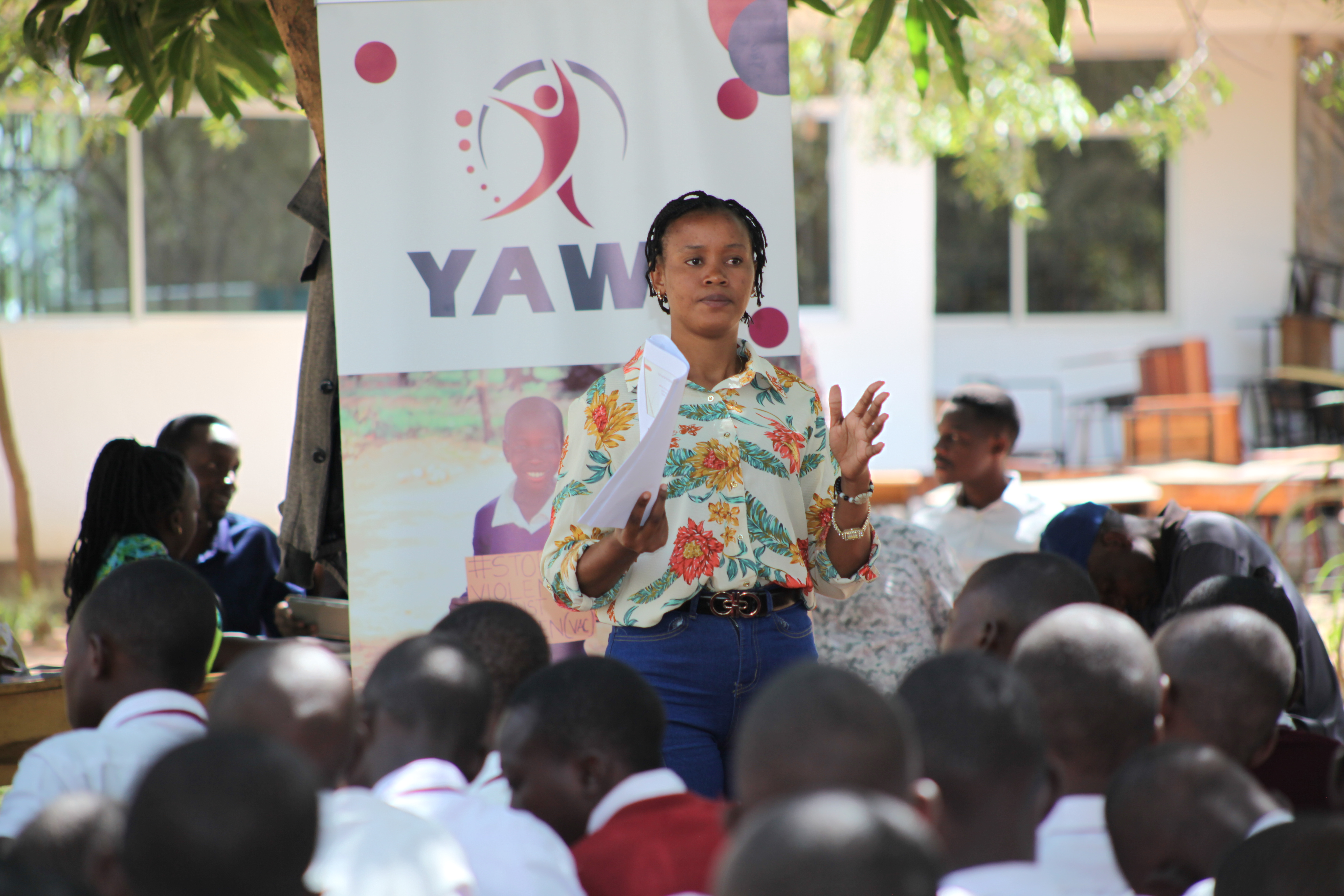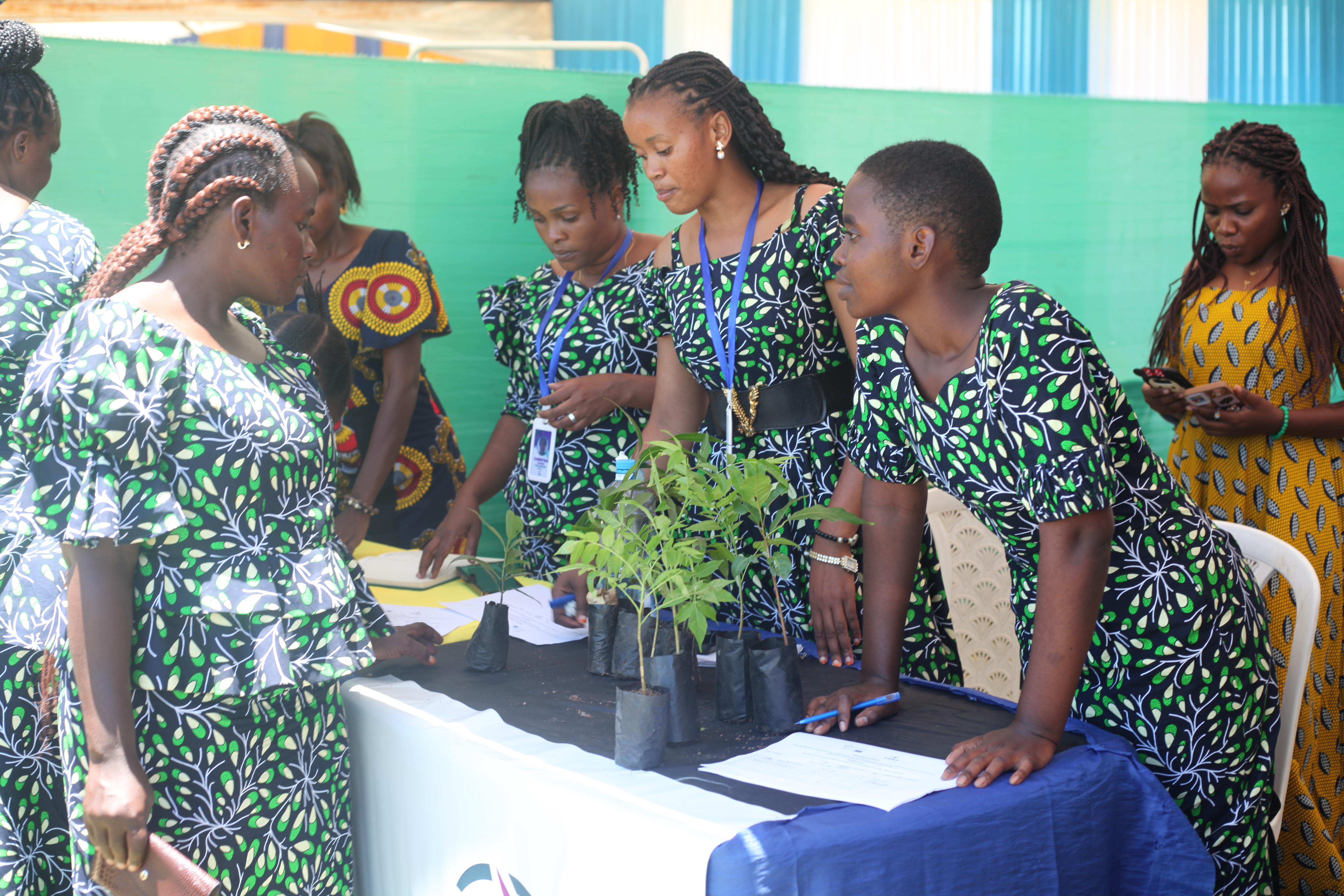
Climate change is increasing the frequency and intensity of extreme weather events such as heat waves, droughts, floods and tropical cyclones, aggravating water management problems, reducing agricultural production and food security, increasing health risks, damaging critical infrastructure and interrupting the provision of basic services such water and sanitation, education, energy and transport. Yet, young people and other vulnerable groups bear the brunt of climate change disasters YAWE works to promote youth participation and leadership in addressing the climate change effects by strengthening resilience and adaptive capacity to climate-related hazards and natural disasters; integrating climate change measures into national policies, strategies and planning; improving education, awareness-raising and capacity on climate change mitigation, adaptation, impact reduction and early warning; implementing and aligning our work with the international commitments and frameworks to the environment. Promote meaningful participation of mostly vulnerable groups for effective climate change-related planning and management including focusing on women, youth and marginalized communities.
Our Nature-Based Solution
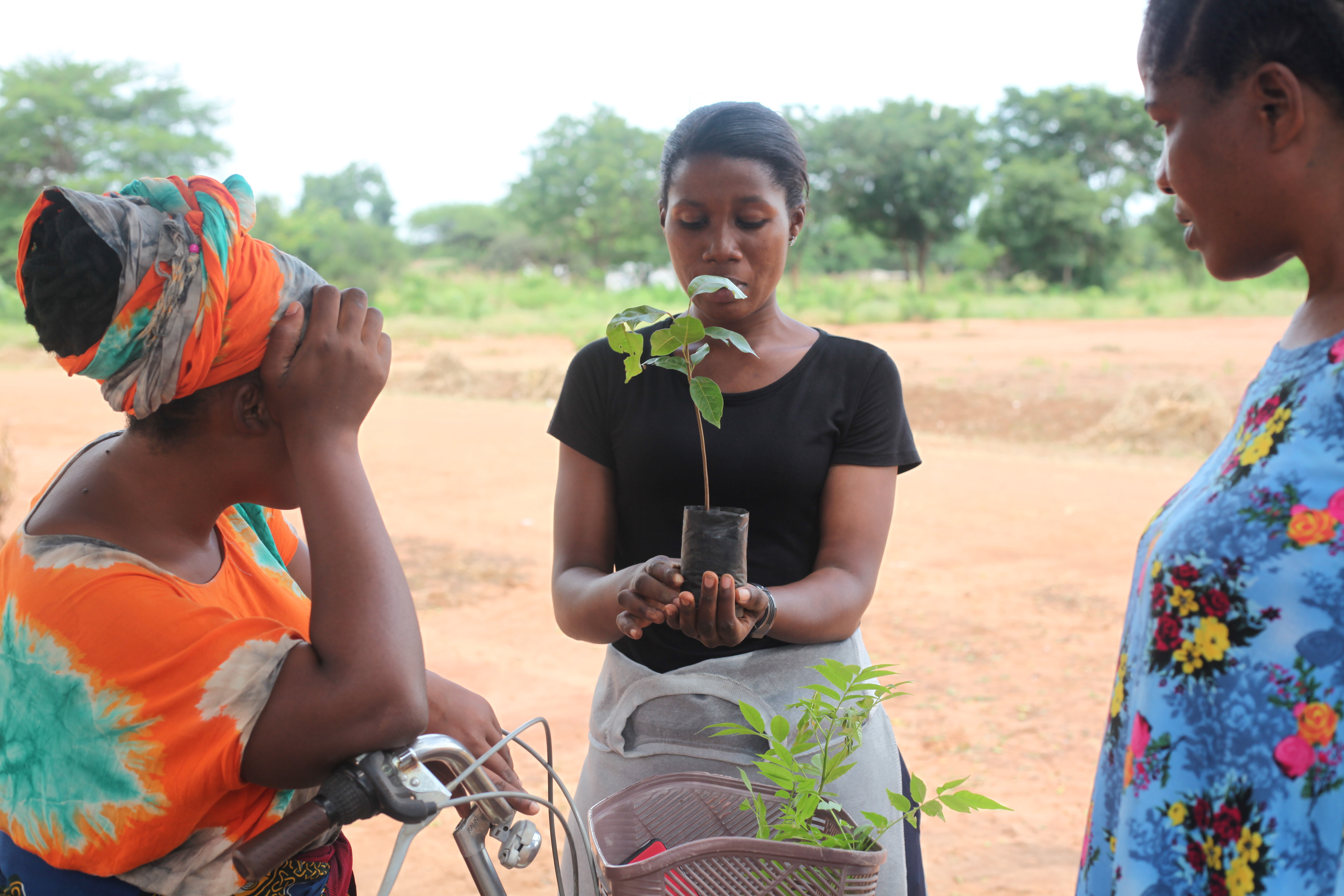
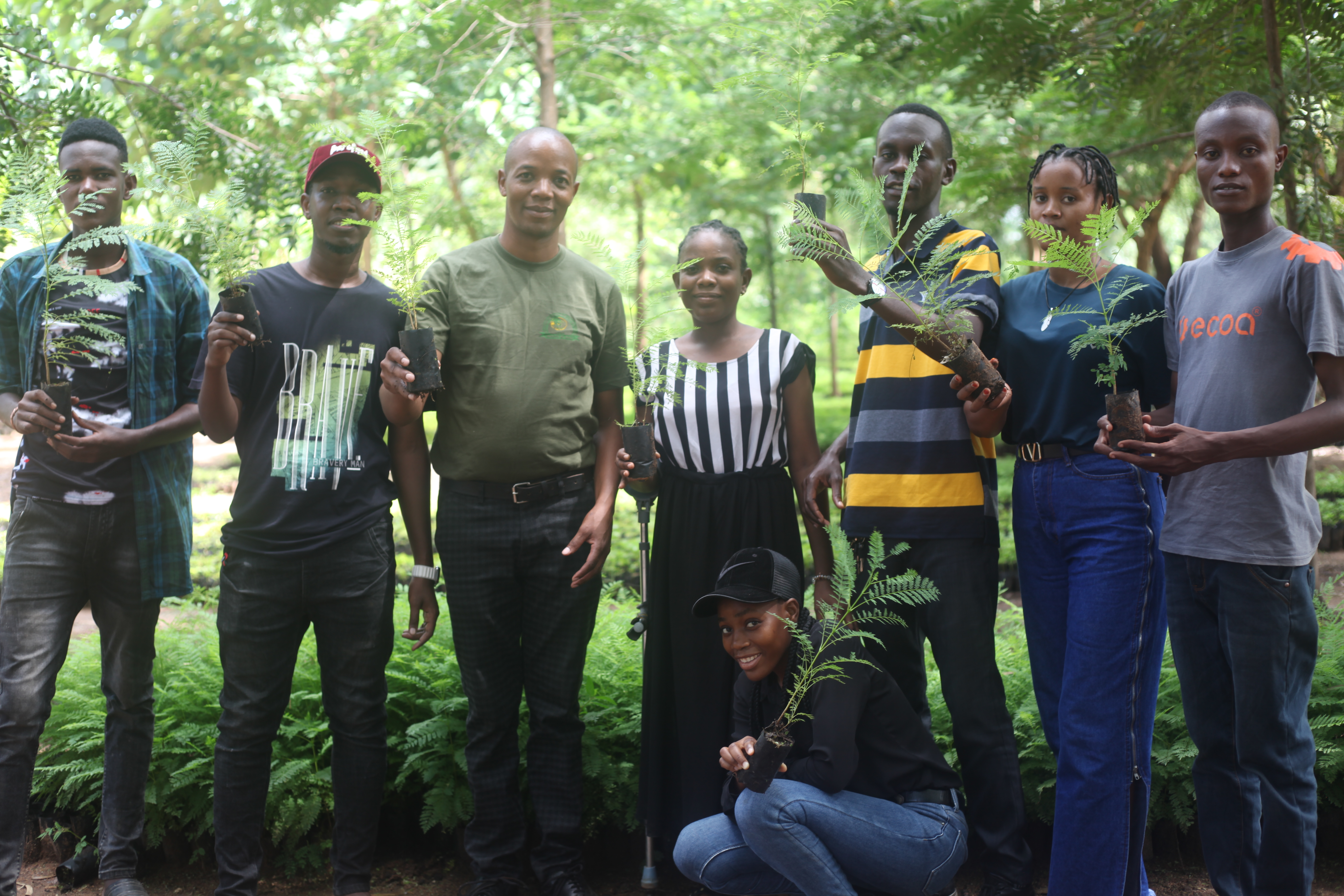
The Paris Climate Agreement commits to keep global warming below 2°C and to pursue efforts to limit warming to 1.5°C. The actions of the international community between now and 2030 will determine whether we can collectively slow warming enough to avoid the worst impacts of climate change. Above the 1.5 °C limit, the risks of extreme weather and collapsing ecosystems grow. The latest IPCC report demonstrated that nature-based solutions such as reducing the destruction of forests and other ecosystems, restoring them, and improving the management of working lands, such as farms — are among the top five most effective strategies for mitigating carbon emissions by 2030.
Nature-based Solutions for both mitigation and adaptation serve as an integral piece of the required global response for climate action.
- Decrease greenhouse gas emissions related to deforestation and land use
- Capture and store carbon dioxide from the atmosphere
- Enhance resilience of ecosystems, and as such support communities to adapt to climate hazards such as flooding, sea-level rise, and more frequent and intense droughts, floods, heatwaves, and wildfires.
Nature-based solutions can address climate change in three ways:
Nature-based solutions—solutions that involve working with nature to address societal challenges—have gained momentum as a tool that can deliver multiple benefits.
The benefits of nature are far-reaching—from providing clean air and water to ensuring protection from flooding and creating cooling effects within our urban landscapes. That is why we work with nature to help address the impacts of climate change, biodiversity loss, and many other threats to a sustainable future.
At YAWE, we explore the holistic value of nature through the lens of sustainable development, building an evidence base that can mobilize practical approaches to address these challenges.
We work with governments, international agencies, civil society, and other stakeholders to advance nature-positive outcomes that support and benefit both people and ecosystems while always ensuring these efforts include and benefit everyone.
Most of this work focuses on building more nature-based infrastructure to support growing environmental, societal, and economic needs, as well as tapping into ecosystems to help build resilience for the ever-intensifying impacts of climate change.
Towards A Multisectoral Approach to Addressing Climate Change
Climate change is undeniably one of the most pressing policy challenges of the 21st century. The urgency for sustainable solutions that mitigate emissions and bolster community resilience has never been greater. As both domestic and international stakeholders collaborate to mobilize resources in confronting the global climate crisis and its exacerbating inequities, YAWE stands ready to contribute. We are dedicated to providing robust and precise evidence essential for measuring the impact of climate policies, optimizing investments, and enhancing public well-being. Leveraging our broad expertise across various sectors, we pinpoint opportunities for effective climate solutions. We engage with stakeholders from government, philanthropy, academia, and the private sector, forging partnerships locally and building capacity to ensure these solutions are tailored, embraced, and sustained.
Climate change & gender Equality
Climate change is intrinsically linked to poverty, impacting the lives of the poorest people the most. It is also intrinsically linked to gender: we know from our work that women and girls are particularly vulnerable to the effects of the climate catastrophe, and women and girls are losing their homes as a result.
For women and girls living in poverty, climate change hasn’t simply resulted in warmer summers. It means more extreme and less predictable weather patterns, less food, less access to safe water, and unstable living conditions – all culminating in new threats to their rights.
Gender inequality means women tend to be more vulnerable to the impacts of climate change. And so for the poorest women, dangerous weather events, droughts and failed harvests can become disasters.
- They constitute the majority of the world’s poor, who are overall more affected.
- They are more likely to be dependent for their food and income on the land, and natural resources, which are being threatened.
- They are less likely to be in positions of power and/or decision-making roles.
- They are more likely to be responsible within their families for securing water, food and fuel for cooking and heating, which are all being threatened. It is often women and girls, for example, who are forced to walk great distances to find water when local sources dry up.
- In developing countries, they tend to be exposed to the negative impacts of disasters, including death and injury. These disasters are becoming more frequent and more severe due to climate change.
- They face a heightened risk of gender-based violence during and following disasters, and when forced to leave their homes due to climate change, become more vulnerable to early marriage, adolescent pregnancy, and rape and trafficking.
Women and girls are more vulnerable to the effects of climate change because:
The role of gender inequality
Climate change affects women and girls most acutely because it exacerbates the existing outcomes of entrenched gender inequality. In many contexts, climate-related disasters like floods or drought lead to household livelihood insecurities which lead to girls being taken out of school. Girls may then help to manage the household affairs or are moved into domestic work, which exposes them to risk. When parents struggle to feed their children, some feel they have no choice but to give their daughters away for early marriage, often resulting in early pregnancy. And when the worst effects of climate change make land-based work impossible, women are often less able than men to turn to alternative forms of work impeding women’s economic opportunities, such as those which bar women from factory jobs, working at night, or getting a job without permission from their husbands.
The impact of women's leadership in communities
Women and girls are most adversely affected by the effects of climate change - but they are also uniquely important to the solution. Research shows that, when women participate in decision-making at national and community levels, they are key to effective climate change solutions. Women often have a strong body of knowledge and expertise that can be used in climate change mitigation, disaster reduction and in creating strategies for a more sustainable future. Their traditional, cultural roles within families mean they often act as stewards of natural and household resources. Every day, millions of women and girls in Tanzania make decisions that influence the environment, whether it’s as cooks for their families (choosing food and fuel), as farmers (influencing soil carbon emissions), or as consumers (making purchasing decisions).
These cultural roles position women well to contribute to new strategies for climate-resilient, sustainable livelihoods. Meanwhile, at the country level, research shows women are powerful agents of change in the fight against climate change: gender-equal representation has led to policy-making with better outcomes for the environment. Despite this, the poorest women and girls continue to be excluded from processes to develop national adaptation plans and reduce countries' emissions. Gender-responsive budgets to ensure that plans are carried out to support gender equality are also missing or lacking from national plans.