
Location: Shinyanga region, Tanzania
Funders: Climate-KIC and Irish Aid
The Shinyanga region of Tanzania is facing escalating climate-related challenges, particularly prolonged droughts and deforestation, which have severely impacted livelihoods, food security, and natural ecosystems. Over the last four decades, Shinyanga has become increasingly semi-arid, resulting in declining agricultural productivity, water scarcity, and rising levels of climate-induced migration.
Vulnerable populations, including women, youth, and people with disabilities, are disproportionately affected. For example, 28% of children under five are malnourished, and women and girls are spending more time fetching water, reducing time for education and income-generating activities. Simultaneously, tree cover loss in the region has accelerated, with 166 hectares lost in 2023 alone, contributing significantly to carbon emissions and environmental degradation.
Despite these challenges, there is a growing pool of young climate innovators in Tanzania working on clean energy, sustainable agriculture, and eco-friendly enterprises. However, these entrepreneurs often lack access to capital, mentorship, markets, and supportive infrastructure to grow their initiatives.
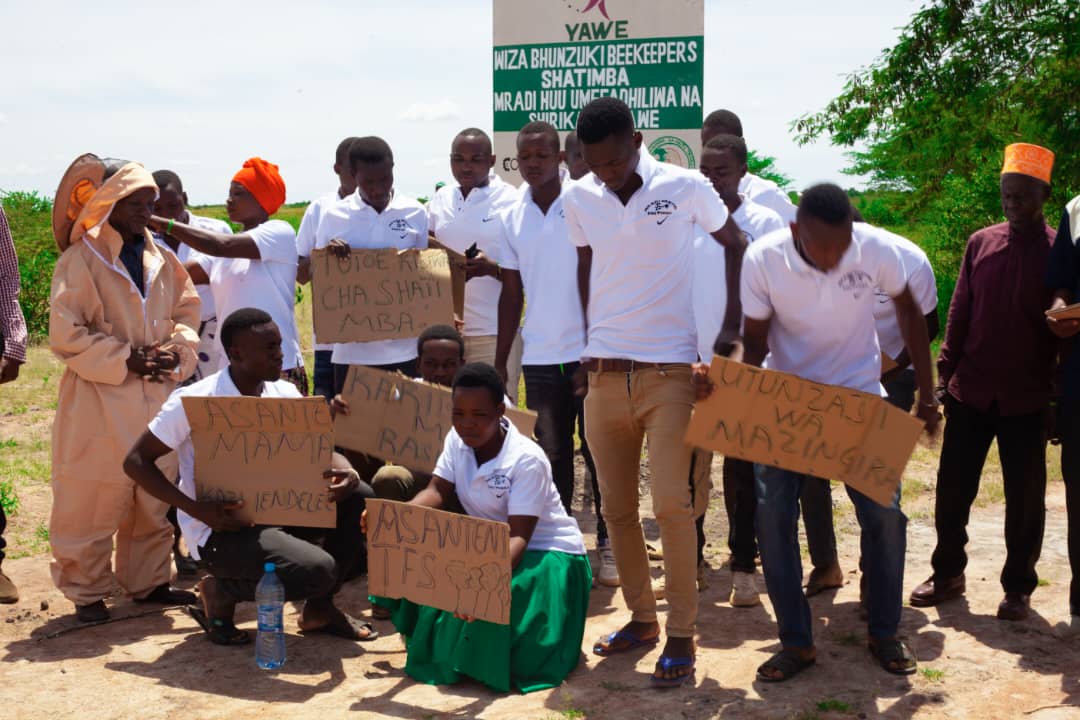
YAWE is addressing these gaps through inclusive, gender-sensitive entrepreneurship support, enabling marginalized groups to become drivers of climate adaptation, economic resilience, and systemic change in their communities. YAWE, under the Inclusive Climate Entrepreneurship Project, seeks to empower young climate entrepreneurs, particularly women, girls, and people with disabilities, by equipping them with skills, resources, and platforms to develop innovative, sustainable climate solutions. The project addresses urgent local climate challenges, including prolonged drought, deforestation, and food insecurity in Shinyanga. At the midpoint of this project, a key transformative element emerges: the intersection of DEI (Diversity, Equity, and Inclusion) and GESI (Gender Equality and Social Inclusion). This intersectionality ensures that project activities not only promote environmental sustainability but also challenge structural inequalities. It shapes how YAWE designs and implements inclusive innovation hubs, training programs, and partnerships, intentionally creating space for diverse voices to influence climate entrepreneurship and policy.
Key Objectives
- Build Capacity: Train and mentor youth, especially marginalized groups, in climate entrepreneurship, focusing on clean energy, sustainable agriculture, and eco-innovation.
- Foster Innovation: Provide grants and establish a local innovation hub to support the development and testing of climate-resilient technologies.
- Strengthen Networks: Facilitate collaboration between entrepreneurs, government, the private sector, and community stakeholders to support climate adaptation solutions.
- Promote Inclusivity and Climate Justice: Ensure diversity, equity, and inclusion are central to all project activities through gender-responsive strategies and a GEDI policy framework.
-
Expected outcomes
- At least 50 underrepresented individuals (women, youth, people with disabilities) will gain economic opportunities in the green sector.
- Establishment of local climate innovation hubs for continuous community engagement and innovation support.
- Increased market access and visibility for climate-smart products and services.
- Creation of at least 5 public-private partnerships to scale climate solutions
Long-Term Impact
YAWE envisions a sustainable climate innovation ecosystem that is inclusive, community-driven, and responsive to local challenges.
Through ongoing partnerships, capacity building, and advocacy, this project will contribute to climate resilience,
job creation, and systemic change in Tanzania’s climate adaptation efforts.