
Violence against children particularly girls is a grave reality in the lives of many children in Tanzania. Nearly 3 out of every 10 females aged 13 to 24 in Tanzania reported experiencing at least one incident of sexual violence before turning age 18. Of those who had their first sexual experience before age 18, nearly one-third (29.1%) of females, had their first sexual intercourse unwilling, meaning that they were forced or coerced to engage in sexual intercourse (Violence against Children Report, 2011). Adults-parents, caregivers, teachers, and others in roles of nurture and authority are frequently perpetrators of violence against children (United Republic of Tanzania, 2017). The State of Violence Against School Children in Tanzania Mainland Report of 2020 by HakiElimu found that 87.9% of school children have experienced one or more forms of physical violence in their lives. Further, the study reveals that 42.8% (46.3% male and 40.7% female) of the school children have been sexually abused and experienced it at school in comparison, to 38.6% (42.6% male and 36.3% female) who experienced it in homes.
Most children do not report their experience, few seek services, and even fewer receive any care, treatment, or support if they do with only 1 in 10 girls and 1 in 25 boys who experience sexual violence receiving services. It is approximated that two-thirds of girls cite family or community as reasons, specifically fear of abandonment or family separation if they report the incidence (HakiElimu, 2020). The major drivers of violence against children are largely associated with patriarchal beliefs and traditions that have justified male domination as many men, representatives of the ward-level government, elders, and women still maintain patriarchal customs, arguing that male domination is in the best interests of the community (McAlpine et al.. 2023). Additionally, the lack of closeness between parents and children, and the lack of love and care for children exacerbate the problem. Parents and teachers lack knowledge of positive parenting practices and alternatives to corporal punishment.
Insufficient sexual reproductive health information and services among adolescents as only 37% of males and 36.7% of females aged 15-24 have complete correct knowledge of HIV (UNICEF, 2022). Limited access to youth-friendly SRH services particularly for girls under 20 years, Ignorance of children about their basic rights, peer pressure that fuels early sexual debuts, inadequate life skills, and self-esteem education, poor cooperation between school governing bodies, administrators, teachers, school children, parents, and state departments are the major driving factors for an unsafe learning environment for school children (THIS, 2017).
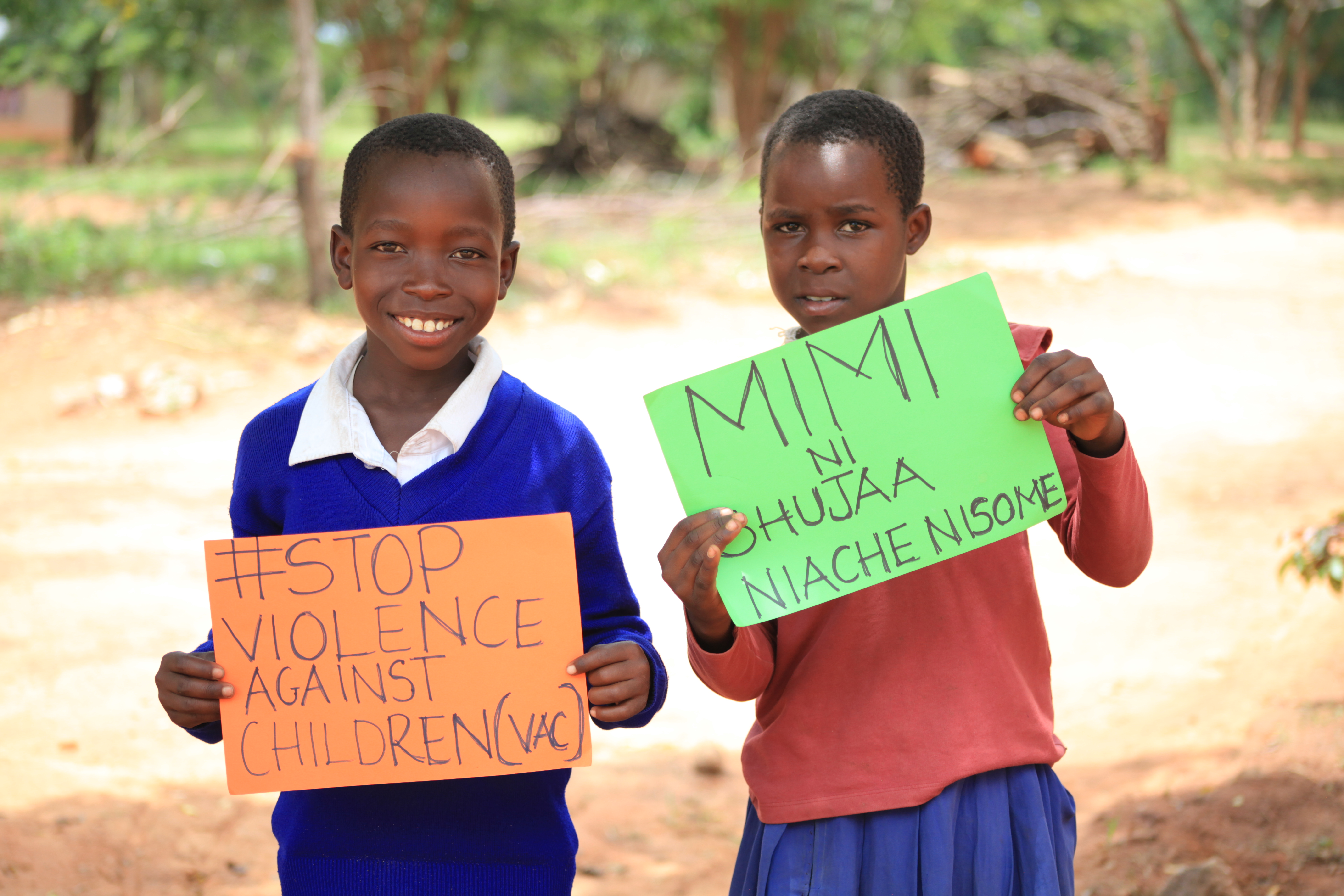
YAWE is implementing the “Keeping School Children Safe Project in Shinyanga” to address the root causes of violence against children. The project aims at “empowering school children to make their own informed decisions and have a voice in issues that affect them”.
Specifically, the project seeks to achieve the following objectives;
- To empower individuals to question gendered thinking and roles in their families
- To strengthen cooperation between parents/caregivers, teachers, and local government leaders to promote child rights and protection.
- To continually identify and address child rights violations through children’s councils and strengthen referral mechanisms at the community level.
The project is implemented in three administrative wards of Puni, Nyida and Didia in Shinyanga district council, Tanzania. The project facilitated the formation of sixteen (16) school-based child protection and safety desks and child junior councils. These were formed using new national guidelines and monthly sessions between school peer activists and organizing SRHR and life-skills sessions with school adolescents to addressing their concerns. The project also led to the implementation of mentorship programs for school peer activists to raise their self-esteem and confidence and help them connect with community change agents, to strengthen collaboration in advancing the agenda on ending violence against children.
Through the project, dialogues between parents, teachers, and community change agents were organized to discuss different forms of violence against women and children, including online abuse and its associated risks. Dialogue with school teachers, school committees, and parents was held to help curb harmful norms and emphasize positive relationships within the community. As a result of the project, there has been an increase in children’s confidence resulting in the number of child abuse cases being reported in schools going up. For example, at Buyubi Primary School, five child abuse cases were reported by school children compared to one case reported in the previous phase of the project. Read more...